
Importance of Nearby Banking Services in Today’s Scenario (with Focus on Rural India)
Nearby banking services are crucial for financial inclusion in rural India, providing access to cash, credit, and government benefits. They support local economies, promote digital adoption, and create employment, helping communities participate fully in the financial system despite connectivity and literacy challenges.
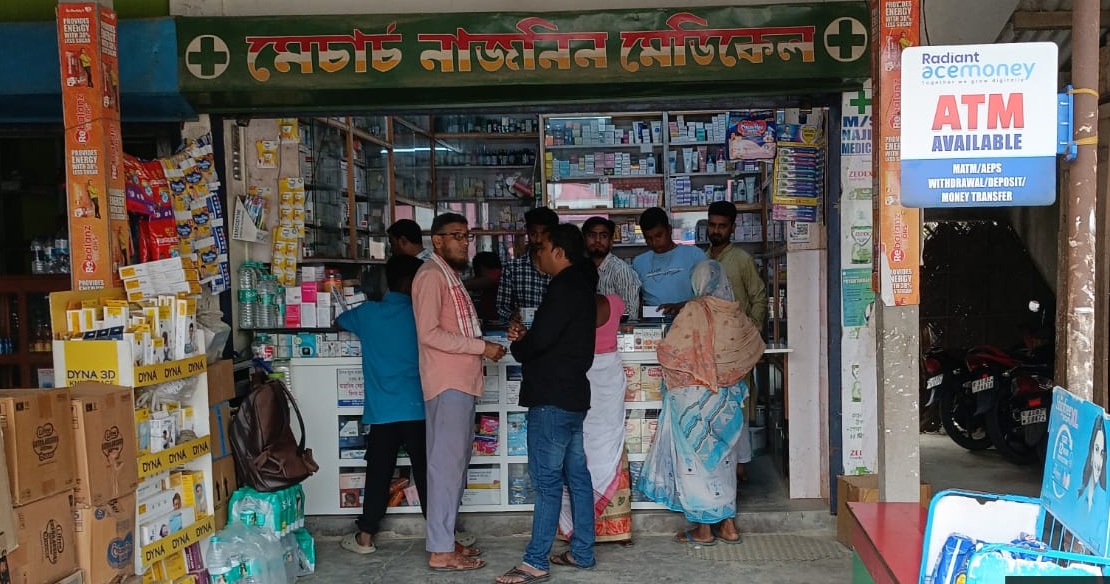
Importance of Nearby Banking Services in Today’s Scenario
In the rapidly evolving financial landscape of India, the presence of accessible banking services — including physical branches, ATMs, banking correspondents, and digital retail touchpoints — plays a crucial role in economic and social development. While digital banking and online payments are growing, traditional banking access remains indispensable, especially in rural and underserved regions. Why Nearby Banking Services Matter
1. Financial Inclusion and Access Banking services close to people’s homes make it possible for individuals and businesses to open accounts, save money securely, and access credit — the foundation of financial inclusion. India’s ambitious financial inclusion drives such as the Pradhan Mantri Jan Dhan Yojana (PMJDY) have brought millions into the formal financial system, with over 56 crore bank accounts opened since its launch, connecting a vast population with banking services and benefits like subsidies and government transfers. (Navbharat Times) In states like Uttar Pradesh alone, over 9.5 crore Jan Dhan accounts have been opened, enabling direct benefit transfers and even providing local employment opportunities through banking correspondents (BCs). (Indiatimes)
2. Cash Availability and Basic Services Although digital payments are increasing rapidly, physical cash and ATMs remain essential — particularly for individuals who depend on cash for daily transactions, pensions, wages, or micro-businesses. As of March 2025, India had approximately 2,51,000 ATMs across the country. (स्टार समाचार) While trends show some decline in ATM numbers due to digital adoption, ATMs still bridge the service gap in low-connectivity regions.
3. Supporting Rural Economies In rural India, many villages lack nearby bank branches — sometimes only one ATM serves ten villages on average — making physical access to financial services difficult without travel. (Forever NEWS) For farmers, self-help groups, small traders, and daily wage earners, local banking access saves time, reduces costs, and promotes economic participation.
4. Facilitating Digital Adoption The expansion of local banking outlets and correspondents helps rural populations transition to digital financial services. With over 85 % of households owning a smartphone and digital payment services like UPI widely used, the physical banking presence acts as a bridge to digital literacy and confidence. (The Economic Times) How Nearby Banking Services Work
Modern banking in rural India is a blend of traditional and innovative delivery models:
-Bank Branches remain core institutions where customers can deposit/withdraw funds, obtain loans, and receive financial advice.
-Automated Teller Machines (ATMs) provide basic cash access and balance enquiries without needing branch visits.
-Banking Correspondents and Financial Service Points (e.g., retail agents, Acemoney BC point) bring banking to village markets, often using micro-ATMs or handheld devices to perform deposit, withdrawal, UPI, and AEPS transactions.
-Digital Banking Platforms (like mobile banking, UPI, internet banking) allow users to make payments, transfer funds, and pay bills — but need a trusted physical touchpoint for onboarding, support, and literacy training.
-Doorstep Banking and Customer Support Apps are emerging to help elderly and differently-abled customers transact from home. (Navbharat Times)
The Indian Rural Context: Challenges & Impact
While banking services are expanding, rural areas face challenges:
-Digital Literacy Barriers: Many rural users still lack confidence or skills to use online banking tools effectively. (Aisect)
-Connectivity Issues: Internet access and power reliability in some villages remains limited, constraining digital banking usage despite infrastructure investments. (arXiv)
However, the impact of improved banking access is tangible:
-Financial Security: Formal bank accounts and nearby services reduce reliance on informal moneylenders.
-Government Program Delivery: Subsidies, pensions, and welfare transfers reach beneficiaries faster and more transparently.
-Economic Growth: Local entrepreneurs, farmers, and small traders can access credit and build financial histories — driving local economic activity.
-Employment Opportunities: Roles such as local banking correspondents empower rural youth and women with income and skills. Looking Ahead: Inclusive Financial Growth
India’s financial inclusion index continues to rise, reflecting improvements in access, usage, and quality of banking services. As technology spreads, nearby banking services will remain essential for ensuring no one is left behind — especially in rural and underbanked communities. #doorstepbanking #acemoneybcpoints #acemoneyhub #merchantbanking #MATM #microatmservices #bankingservices